کابلهای زیردریایی گوگل و متا در اقیانوس آرام بیشترین خطر خرابکاری را تهدید میکنند
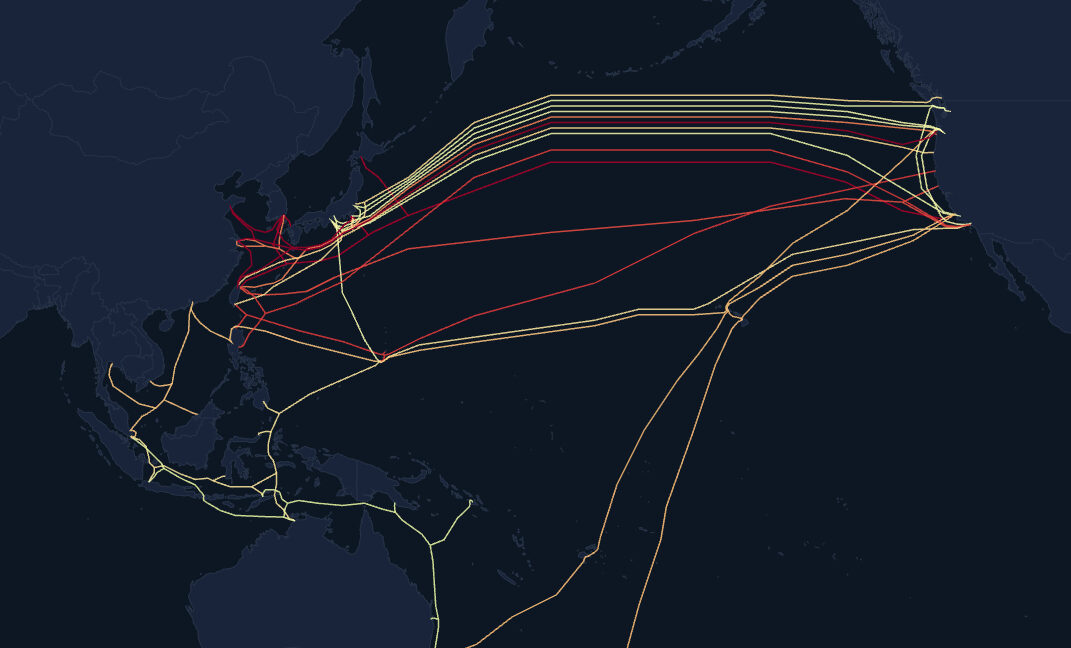
کابلهای فراقارهای متعلق به آمریکا در اقیانوس آرام با خطرات فزایندهای از سوی خرابکاری و چین مواجه هستند.
Subsea cable projects owned by US companies such as Google and Meta face some of the greatest risks from the threat of deep-sea sabotage in the Pacific Ocean, according to a new report. That coincides with Chinese research ships spending an extraordinary amount of time apparently surveying undersea cables—not to mention Chinese commercial ships being investigated for cutting cables in both European and Asian waters.
Most damage to the undersea cables that form the Internet’s backbone is the result of accidents involving bottom-trawling fishing nets and ship anchors dragging on the seabed, with storms and undersea landslides also factoring in. But the recent rise in international tensions and open conflicts have placed new scrutiny on more suspicious instances of cable-cutting damage, with analysts warning about Russia and China in particular engaging in cable sabotage or tampering as “gray zone” tactics that fall short of direct military confrontation.
One of the newest risk assessments of China’s gray zone tactics targeting the Internet’s undersea infrastructure comes from a research report published by the US-China Economic and Security Review Commission , an independent government commission that advises Congress. The report was contracted to the London-based think tank China Strategic Risks Institute and published in September 2026.
تا این لحظه منبع مستقل دیگری این خبر را منتشر نکرده است.
بررسی خودکار: مقایسه با خبرهای ۷۲ ساعت اخیر منابع دیگر و اعتبار پایهی منبع؛ جایگزین داوری انسانی نیست.منبع: Ars Technica — متن کامل از فید رسمی منبع، با ترجمهی ماشینی عنوان و خلاصه