معاون آموزشی دارتموث درباره تقلب با هوش مصنوعی هشدار داده بود، اما استفاده خودش از هوش مصنوعی شغلش را گرفت
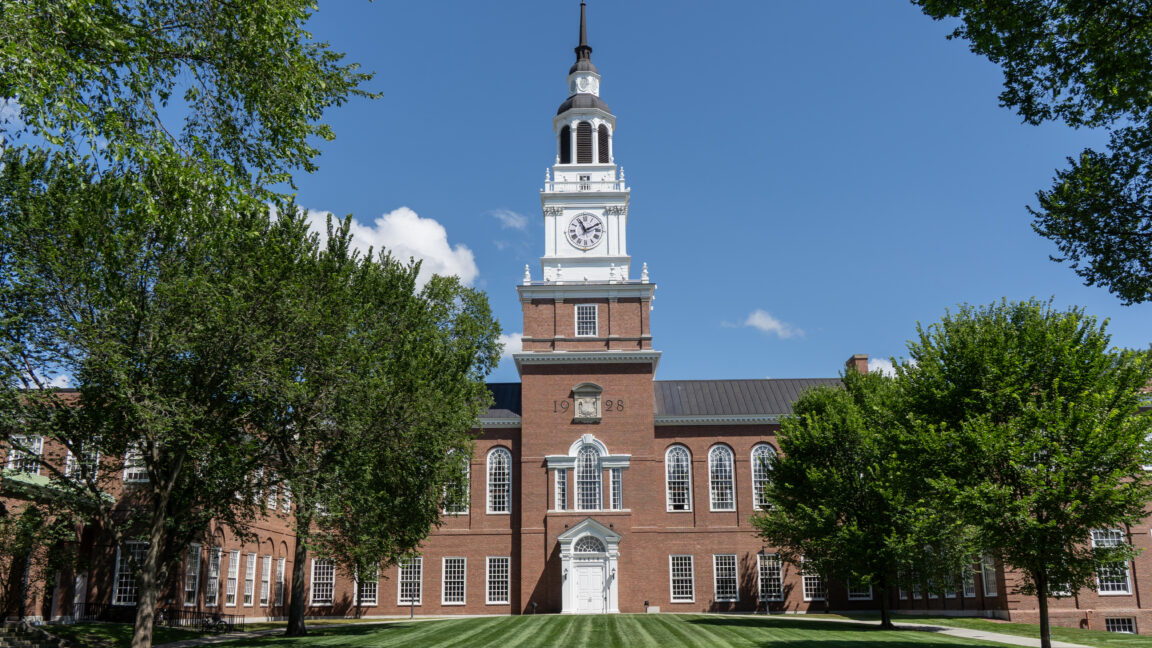
کسانی که عاشق هوش مصنوعی هستند، همیشه دوست ندارند به دیگران بگویند که از آن استفاده کردهاند.
On August 9, 2026, Dartmouth College provost Santiago Schnell wrote a Washington Post op-ed called "Universities are fighting AI cheating. But there’s a deeper problem." This week, Schnell discovered the depths of the problem himself as he resigned from the university after an advisory committee found that he failed to disclose significant AI use in an academic paper and in the Washington Post op-ed, even though publishers required such disclosure.
Schnell didn't make it especially easy for the committee to investigate his AI use; the report uses the term "insufficient cooperation." He did turn over his Dartmouth laptop, but he did not turn over logs from his personal LLM accounts related to the writings in question. Nor did he agree to meet with the committee.
The committee did get access to the Claude enterprise account Schnell had used through Dartmouth, though. This shows him using the LLM as a tool for revising his papers, finding and fixing bugs in code, and editing or generating figures. For instance, Schnell would run his papers through Claude and ask things like:
خبرهای مشابهی در منابع دیگر هست، ولی داور خودکار هنوز همخوانیشان را بررسی نکرده است.
همین رویداد در منابع دیگر:
بررسی خودکار: مقایسه با خبرهای ۷۲ ساعت اخیر منابع دیگر و اعتبار پایهی منبع؛ جایگزین داوری انسانی نیست.منبع: Ars Technica — متن کامل از فید رسمی منبع، با ترجمهی ماشینی عنوان و خلاصه